
Discover the Advantages of Car Paint Protection Film (PPF)
Discover the Advantages of Car Paint Protection Film (PPF)
Are you worried about your car's paint getting damaged? Many car owners are now using Paint Protection Film (PPF) to protect their vehicle's finish.
At Zenith PPF, located at 2354 Pendley Rd A, Cumming, GA 30041, and reachable at (470) 281-3226, we specialize in PPF installation. Our experts will ensure that your vehicle is protected with the highest quality film, preserving its appearance and value.
Using PPF offers many benefits. It protects against damage and reduces maintenance costs. Let's explore the advantages of PPF and how it can be a smart choice for your vehicle.
Key Takeaways
Protection against road debris and environmental contaminants
UV protection to prevent paint fading
Easy maintenance and cleaning
Preservation of your vehicle's appearance and value
Long-term durability and performance
What is Car Paint Protection Film (PPF)?
Car Paint Protection Film (PPF) makes it easy to keep your car's paint safe from the elements and road debris. It's a must-have for car lovers who want their vehicle to look like new.

Definition and Purpose
Car Paint Protection Film is a transparent, thermoplastic urethane film applied to your car's paint. It protects against rock chips, scratches, and UV damage. Its main job is to be a protective barrier for your car's paint, keeping it looking great.
How PPF Works
PPF absorbs minor impacts and blocks UV rays from harming your paint. It's self-healing to some extent, fixing minor scratches. By adding PPF, you give your car's paint an extra layer of protection, keeping it looking perfect.
Types of PPF Available
There are many types of PPF, each suited for different needs and cars. Some PPFs offer extra features like better gloss, water-repelling properties, and longer life. When picking a PPF, think about how much protection you need, your car's type, and your budget.
Knowing about the different PPF types and their benefits helps you make a smart choice. Whether you need basic protection or advanced features, there's a PPF for you.
Benefits of Using Car PPF
Car PPF offers many benefits, making it a smart choice for car owners. It protects your car's paint, keeping it looking good and its value high.
Protection Against Environmental Damage
Car PPF shields your car's paint from environmental dangers. These include:
UV rays that can cause paint to fade
Bird droppings, which are acidic and can damage paint
Tree sap, a sticky substance that can adhere to paint and cause damage when removed
A leading automotive detailing expert says, "PPF acts as a sacrificial layer. It absorbs environmental contaminants, keeping your car's paint safe."
"The right PPF can make all the difference in maintaining your vehicle's showroom shine."
Scratch and Chip Resistance
Car PPF also protects against physical damages like scratches and chips. Here's how it stacks up:
Car PPF also protects against physical damages like scratches and chips. It provides high protection against minor scratches, absorbing small abrasions before they reach the paint surface, and very high protection against rock chips, forming a durable barrier against gravel, stones, and other road debris.
With PPF, you can rest easy knowing your car's paint is safe from daily wear and tear.
Fading Prevention
Fading is a big problem for car owners, more so in sunny places. PPF blocks UV rays, keeping your car's paint bright.
Key benefits of PPF include:
Long-lasting protection against environmental and physical damages
Preservation of your car's resale value
Maintenance of your vehicle's aesthetic appeal

Cost Considerations for PPF Installation
Getting PPF for your car means understanding the costs involved. The upfront cost might seem high, but it's worth it for the long-term benefits.
Initial Investment vs. Long-Term Benefits
The cost of PPF installation can be high at first. But think about the savings and benefits it brings. PPF keeps your car's paint safe from damage, saving you money on repairs and repaints.
Key long-term benefits include:
Less need for expensive repairs due to environmental damage and road debris
Keeping your car's value high by protecting the original paint
Less often needing to detail and correct the paint
Average Installation Costs
The cost of PPF installation varies from $500 to over $5,000. The size and design of your vehicle affect the price. Larger or more complex vehicles need more film and work.
Here's a breakdown of average costs for different vehicle types:
The cost of PPF installation varies from $500 to over $5,000, depending on the vehicle’s size and design. Larger or more complex vehicles require more film and labor, which increases the price.
For reference:
A sports car typically costs between $1,500 and $3,000.
An SUV usually ranges from $2,000 to $4,000.
A luxury sedan averages around $1,000 to $2,500.
Factors Affecting Pricing
Several things can change the price of PPF installation. The quality of the film, the installer's skill, and how complex the job is all matter. Better materials and skilled installers might cost more, but they last longer and protect better.
Key factors affecting pricing include:
Film quality and brand reputation
Installer's experience and certification
Vehicle size and design complexity
Additional services like paint correction or ceramic coating
PPF vs. Traditional Wax and Sealants
Choosing between Paint Protection Film (PPF) and traditional wax or sealants can be tough. It's important to know the differences to make a good choice. Each option has its own benefits and ways of working.
Key Differences
PPF and traditional wax or sealants differ in how well they protect your car. PPF is a clear film that goes right on the paint. It shields against damage, scratches, and chips. Wax and sealants, on the other hand, are coatings that can wear off over time.
PPF is more durable than wax or sealants. Experts say it's a big step up in car protection. It keeps your car safe from the elements and road debris.
"The durability of PPF far surpasses that of traditional wax or sealants, making it a worthwhile investment for car owners who want long-lasting protection."
Longevity and Effectiveness
PPF lasts longer than wax or sealants. While wax needs to be reapplied often, PPF can go years without losing its effectiveness. This means PPF is better at keeping your car's paint looking good, even in harsh weather.
PPF also stands up well to tough weather and road conditions. It acts as a shield for your car's paint, protecting it from damage.
Maintenance Requirements
PPF is easy to care for, unlike wax or sealants. You don't need to reapply it often. Just regular washing and occasional cleaning with the right products will keep it in top shape.
To keep your PPF in good condition, use mild soap. Avoid harsh chemicals or abrasive materials. By following these tips, your PPF will keep protecting your car's paint for years.
Recommended Brands for Car PPF
Choosing a top PPF brand is key to keeping your car looking great and lasting longer. Many brands offer high-quality PPF, each with its own benefits. It can be hard to pick the best one.
Top Brands in the Market
Leading PPF brands include XPEL, 3M, and LLumar. These brands provide top-notch protection against damage, scratches, and fading.
XPEL: Offers premium PPF with great clarity and shine.
3M: Provides a variety of PPF with self-healing features.
LLumar: Offers PPF with excellent scratch resistance.
Brand Comparisons
When comparing these brands, consider protection, durability, and looks. Here's a table to help you see the differences:
When comparing these brands, consider their protection level, self-healing properties, and overall appearance:
XPEL offers high protection, features self-healing capabilities, and delivers an excellent glossy finish.
3M also provides high protection and self-healing, with a good overall appearance.
LLumar gives high protection but does not include self-healing, while maintaining an excellent clear finish. Customer Reviews and Ratings
Customer feedback is valuable when choosing a PPF brand. XPEL and 3M are often praised for their durability. LLumar is loved for its easy installation.
Looking at top brands, their comparisons, and customer reviews helps you choose wisely. The right PPF brand can give you the car ppf advantages you want, like better protection and a lasting finish.
PPF Installation Process Explained
Installing PPF needs skill and care to protect your car's paint well. Knowing how PPF is installed is key to getting the best results.
Professional vs. DIY Installation
You can choose between professional or DIY PPF installation. DIY might save money, but it's safer to go with a pro. This avoids issues like bubbles, wrinkles, and wrong edges.
Professional installers know how to do it right. They make sure your PPF works well and lasts long. A pro says, "A professional job makes a big difference in how well your PPF works."
Steps for Professional Installation
Professional installation includes several steps:
Checking the car for damage before starting
Cleaning and getting the car ready
Putting on the PPF carefully to avoid air bubbles
Checking the work to make sure it's done right
These steps help pros give your car a top-notch finish that keeps the paint safe.
Common Mistakes to Avoid
When putting on PPF, some mistakes can ruin it. These include:
Not preparing the surface well, which affects how it sticks
Air bubbles and wrinkles that mess up the look and function
Edges that don't line up right, leaving paint exposed
Choosing a pro installer lowers the chance of these problems. This ensures your PPF works as it should.
"The good things about PPF are clear when it's done right," say experts. This shows why a good installation is key to getting the most from your PPF.
How to Maintain Your PPF
Keeping your car's PPF in top shape is crucial. Regular care extends the life of the film and keeps your car looking great.
Cleaning and Care Tips
Cleaning your PPF regularly is a must. Use a mild soap and a soft, microfiber cloth to remove dirt. Stay away from harsh chemicals and rough materials that can harm the film.
Tip: For tough stains, mix water with white vinegar. Rinse well and dry with a microfiber cloth to avoid water spots.
Products to Use
Choosing the right cleaning products is key. Use pH-balanced car wash soaps without harsh chemicals. Microfiber towels are best for drying as they're gentle.
Avoid household cleaners or strong detergents as they can damage the PPF. Look for products made for paint protection films instead.
Frequency of Maintenance
The maintenance frequency depends on your car's environment and driving habits. Washing your car every two weeks is a good start.
If pollution or saltwater exposure is high, wash your car more often.
Check your PPF regularly for damage or wear. Fix any issues quickly to avoid bigger problems.
By following these tips, your car's PPF will stay in great condition. It will continue to protect your vehicle's paint well.
PPF and Vehicle Resale Value
PPF is more than just paint protection. It also boosts your car's resale value. A well-kept exterior can increase the sale price.
Impact on Resale Value
PPF keeps your car's paint looking new. This is key because buyers first see the car's exterior. A car with perfect paint attracts more buyers and gets a better price.
Key benefits of PPF for resale value include:
Protection against environmental damage that can degrade paint quality
Prevention of scratches and chips that can detract from the vehicle's appearance
Maintenance of the vehicle's glossy finish, making it look newer for longer
Considerations for Sellers
As a seller, you aim to get the best price for your car. PPF shows you care about the vehicle. Keep records of the installation and maintenance to show buyers.
Why use car PPF? It keeps your car in top condition, which helps sell it for more.
Real-Life Examples
Many car owners have seen a higher resale price with PPF. For example, a Tesla Model 3 owner kept the paint perfect during a long move. The car looked new when sold.
These stories show the car PPF advantages. They highlight how PPF can increase resale value, making it a smart choice for future sales.
Common Concerns About PPF
Thinking about car paint protection film (PPF) brings up several worries. Knowing about these concerns and their fixes can ease your mind about using PPF on your car.
Yellowing and Discoloration
One big worry about PPF is it might turn yellow or change color over time. This problem often happens with cheaper films that can't handle UV rays well. But, top-notch PPFs are made to stay clear and not yellow.
What affects yellowing and color change includes:
How good the PPF material is
How much UV radiation it gets
The environment it's in
The quality of PPF determines how resistant it is to yellowing and discoloration over time.
High-quality PPF offers excellent UV resistance and is unlikely to yellow.
Medium-quality PPF has good UV resistance but a moderate chance of discoloration.
Low-quality PPF provides poor UV resistance, making yellowing highly likely with age and exposure.
Difficulty of Removal
Another worry is how hard it is to take off PPF when it's time to replace it. It's true, removing PPF can be tough. But, pros use special methods and tools to avoid hurting your car's paint.
The removal process usually involves:
Heating the film to loosen the adhesive
Carefully peeling off the film
Cleaning the surface to remove any leftover residue
Warranty and Lifespan
Car owners also worry about PPF's warranty and how long it lasts. Good makers offer warranties that protect against defects and early wear.
Things to think about with warranty and lifespan include:
How long the warranty lasts
What it covers
How long the PPF is expected to last
Car owners often wonder how long PPF lasts and what warranties cover. Generally, 5-year warranty films offer comprehensive coverage and last around 7 to 10 years, while 10-year warranty films provide extensive protection and can last 10 years or more when properly maintained.
Understanding these common worries and their solutions helps you decide if PPF is good for your car. Weighing the good and bad of car PPF lets you protect your car's paint well.
Innovations in PPF Technology
PPF technology has evolved, offering better protection and clarity for cars. As a car owner, you might wonder about the latest advancements. These can help keep your vehicle looking great and lasting longer.
New PPF developments focus on better functionality and being more eco-friendly. Some key innovations include:
Self-Healing Properties: Modern PPFs can fix minor scratches over time, thanks to self-healing properties. This happens when exposed to heat.
Enhanced Clarity and Gloss: New PPFs keep your car's paint looking vibrant and protected. They retain clarity and gloss better than before.
Eco-Friendly Options: The industry is moving towards PPFs that are better for the environment. These are made from materials that harm the environment less.
Self-Healing Properties
Self-healing films are a big step forward in PPF technology. These films have special polymers that fix minor scratches when heated. This keeps your car's paint looking good for longer, without needing to replace the film often.
Enhancements in Clarity and Gloss
New PPF products offer better clarity and gloss. This means your car's paint stays protected and looks newer for longer. The film is almost invisible, keeping your car's paint looking original.
The benefits of these improvements are:
Improved looks
Better protection from the environment
More durable paint
Eco-Friendly Options
Manufacturers are now making eco-friendly PPFs. These are made from materials that are kinder to the environment. This is great for car owners who want to protect their vehicles without harming the planet.
Choosing eco-friendly PPF means you get paint protection and help the environment. It's a win-win for a sustainable future.
Where to Find Professional PPF Installers
Finding a skilled PPF installer is key for a successful installation. You'll need to follow a few steps to find the right person for the job.
Researching Local Installers
Begin by looking for local installers. You can use online directories or ask people you know. Online reviews on Yelp or Google can also give you an idea of their reputation.
Make sure to find installers who focus on PPF and have a good track record. Websites like zenithppf.com can help you learn more and schedule a meeting.
Questions to Ask Potential Installers
After finding potential installers, it's time to ask them questions. Here are some important ones:
What experience do you have with PPF installations?
Can you show me examples of your previous work?
What brands of PPF do you use, and why?
Can you explain your installation process and how long it takes?
Do you offer any warranties or guarantees?
These questions will help you understand their expertise and if they're a good match for your vehicle.
Online Resources for Reviews
Online resources are great for finding a PPF installer. Websites like Yelp, Google Reviews, and social media can offer lots of information. Look for reviews that talk about their professionalism, detail, and quality.
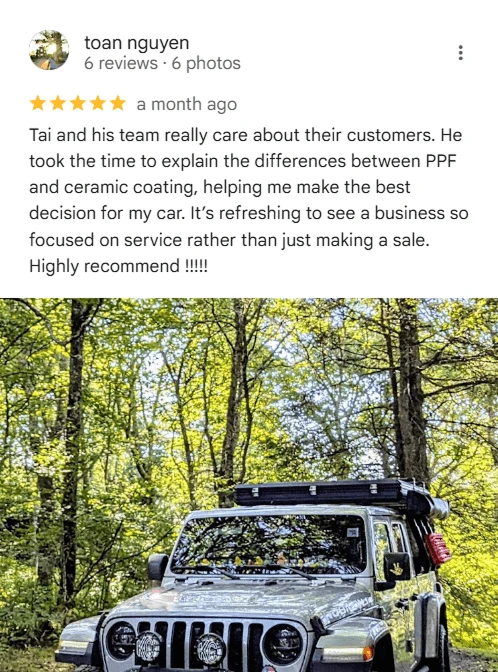
"Tai and his team really care about their customers. He took the time to explain the differences between PPF and ceramic coating, helping me make the best decision for my car. It’s refreshing to see a business so focused on service rather than just making a sale. Highly recommend !!!!!"
By using these resources and doing your research, you can find a reliable PPF installer. They will help protect your vehicle's paint effectively.
Conclusion: Is PPF Right for Your Vehicle?
Car Paint Protection Film (PPF) has many benefits for car owners. It protects against environmental damage and keeps your car looking good. Think about your driving habits, the weather, and your budget when deciding if PPF is for you.
Key Considerations
Knowing why you might want car PPF is important. It helps prevent scratches, chips, and fading. Plus, it might even make your car more valuable when you sell it.
Investing in Your Vehicle's Future
Getting PPF for your car is a smart choice. It not only guards your paint but also keeps your car looking new. This way, your car stays in top shape for a long time.
Take the Next Step
If you're thinking about PPF for your car, take action. For more details or to set up a meeting, reach out to Zenith PPF. They're at 2354 Pendley Rd A, Cumming, GA 30041, or call (470) 281-3226. Protect your car's paint and keep its value high with PPF.
FAQ
What is car paint protection film (PPF) and how does it work?
Car paint protection film (PPF) is a clear, flexible film. It protects your car's paint from damage. It acts as a shield against the environment and physical harm.
What are the benefits of using PPF on my vehicle?
PPF keeps your car safe from environmental damage. It also prevents scratches and chips. Plus, it stops UV rays from fading your paint, keeping your car looking new.
How much does PPF installation typically cost?
PPF installation costs vary. It can be from $500 to over $5,000. This depends on your car's size and the installer's reputation.
Is PPF a better option than traditional wax and sealants?
Yes, PPF is more durable than wax and sealants. It offers long-lasting protection. You also need to do less maintenance with PPF.
How do I choose the right PPF brand for my vehicle?
Look for top PPF brands known for their protection and durability. Check their aesthetic appeal and read customer reviews. This will help you make a good choice.
Can I install PPF myself, or do I need a professional?
You can try installing PPF yourself. But, professional installation is safer. It avoids mistakes like bubbles and misaligned edges, ensuring a perfect fit.
How do I maintain my PPF to ensure its longevity?
To keep your PPF in good shape, clean it regularly. Use the right products and techniques. This will help it last longer and keep your car looking great.
Will PPF affect my vehicle's resale value?
Yes, PPF can increase your car's resale value. It keeps the paint looking new. This reduces the need for expensive repairs.
What are some common concerns about PPF, and how are they addressed?
Some people worry about PPF yellowing or being hard to remove. They also worry about its warranty and lifespan. Knowing about these issues and their solutions can ease your concerns.
What advancements have been made in PPF technology?
New PPF technologies include self-healing films and clearer options. There are also more eco-friendly choices. These advancements make PPF even more appealing for car owners.
How do I find a reputable PPF installer?
To find a good PPF installer, look for local options. Ask about their experience and services. Check online for reviews to ensure you choose a qualified professional.


